One-on-one nursing care represents a personalized approach to healthcare that ensures patients receive dedicated attention from a single nurse. This mode of care is designed to enhance patient outcomes by fostering a deeper understanding of the patient's needs and medical history. According to Business Wire, reflecting the growing demand for home care services, home health volumes are expected to increase 22% by 2034. As healthcare evolves, the significance of one-on-one care becomes increasingly evident, particularly in scenarios where precise and attentive monitoring is critical for recovery.
How Does One-on-One Nursing Care Improve Patient Recovery?
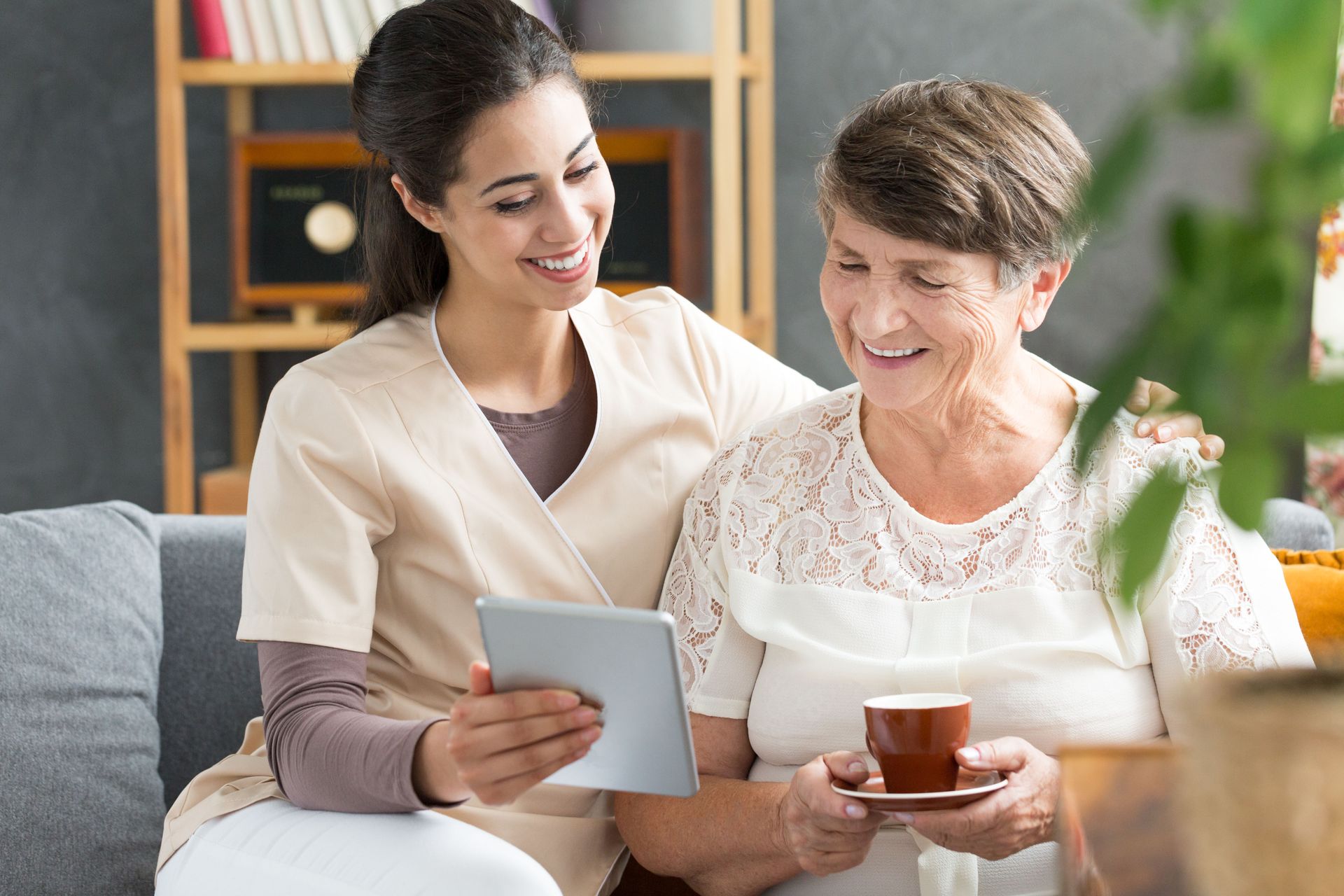
One-on-one nursing care significantly improves patient recovery by providing personalized and uninterrupted attention, allowing for tailored care plans. Local caregivers are pivotal in this context as they bring familiarity and convenience, facilitating quicker response times and better patient-nurse connections. This tailored approach ensures that any changes in a patient’s condition are rapidly addressed, promoting faster recovery and reducing the likelihood of complications.
In addition to the individualized attention provided, one-on-one nursing care enhances adherence to treatment protocols, which is crucial for effective recovery. Local caregivers often possess a detailed understanding of cultural and community norms, which can further improve the quality of care and patient compliance. Given these advantages, one-on-one nursing is particularly beneficial in home care settings where personalized interactions can markedly impact health outcomes.
What are the Psychological Benefits of One-on-One Nursing Care?
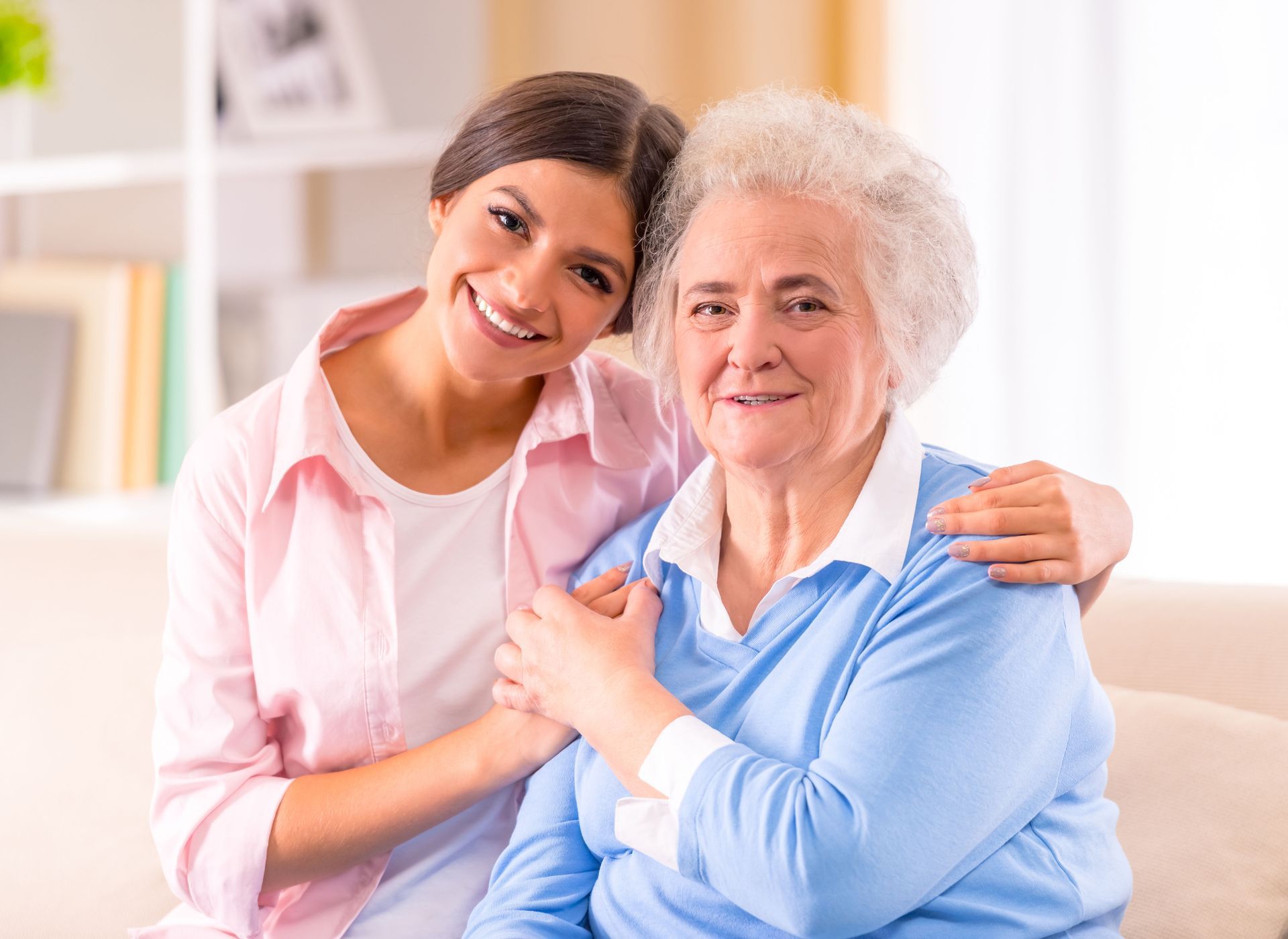
Beyond physical recovery, one-on-one nursing care plays a crucial role in supporting the psychological well-being of patients. The continuous presence of a singular care provider fosters a sense of trust and emotional stability, which is essential for mental health. This steady relationship helps alleviate anxiety, depression, and other psychological disturbances that are often associated with illness and hospitalization.
Emotional support from local caregivers can help patients feel more comfortable and secure, knowing that they are being understood and cared for by someone familiar with their community and cultural context. This familiarity empowers patients, as they are more likely to discuss concerns and fears with someone who understands their unique background. Consequently, the emotional bond formed between patients and caregivers can serve as an anchor during difficult times, effectively enhancing patient satisfaction and mental resilience.
Why is One-on-One Nursing Care a Cost-Effective Option?
Contrary to common assumptions, one-on-one nursing care can be a cost-effective option if approached strategically. While initial upfront costs might appear higher, the long-term savings manifest through reduced hospital readmissions and shorter recovery periods. Local caregivers contribute to these savings by providing efficient care that mitigates complications, thus lowering subsequent healthcare expenses.
When focusing on value-based care, the benefits of investing in one-on-one nursing become particularly apparent. Patients receiving continuous and personalized care are less likely to face extended hospital stays or emergency care, leading to decreased healthcare spending. The ability of local caregivers to attend promptly to any arising issues further supports cost savings by preventing minor conditions from escalating into severe problems.
In conclusion, one-on-one nursing care markedly influences patient outcomes by providing personalized, continuous, and attentive care. Its impact is felt in various dimensions, including improved physical recovery, enhanced psychological well-being, and cost-efficiency. As healthcare demands evolve, the pivotal role of one-on-one nursing, supported by
local caregivers, in enriching patient care becomes increasingly indispensable. Reach out to Spectrum Home Care today to see how we can help you!