July 31, 2026
In our communities, local caregivers play a crucial role in supporting the health and well-being of those in need. These dedicated individuals provide essential services ranging from daily living assistance to emotional support and medical care. They serve as the backbone of many families and communities, contributing to an improved quality of life for the vulnerable. This article delves into the significance of local caregivers, answering some of the most frequently asked questions on this important topic.
What are the roles of local caregivers?
Providing daily living assistance
Local caregivers play a pivotal role in providing daily living assistance to individuals who may struggle to manage on their own. They perform a variety of tasks, including meal preparation, personal hygiene, and mobility assistance. These services are crucial for maintaining the dignity and independence of those they care for. By assisting with everyday activities, local caregivers help reduce the burden on families and ensure a higher quality of life for their clients.
Many individuals, particularly the elderly and those with disabilities, rely heavily on caregivers for basic needs and everyday tasks. This dependency highlights the significance of the caregiver’s role in ensuring that these individuals receive the care and support they need to lead fulfilling lives. According to Statista, the direct care workforce comprises 5.4 million workers, indicating a significant and growing need for capable and compassionate caregivers. These professionals are integral to the daily functioning of many households, allowing dependent individuals to thrive in their familiar environments.
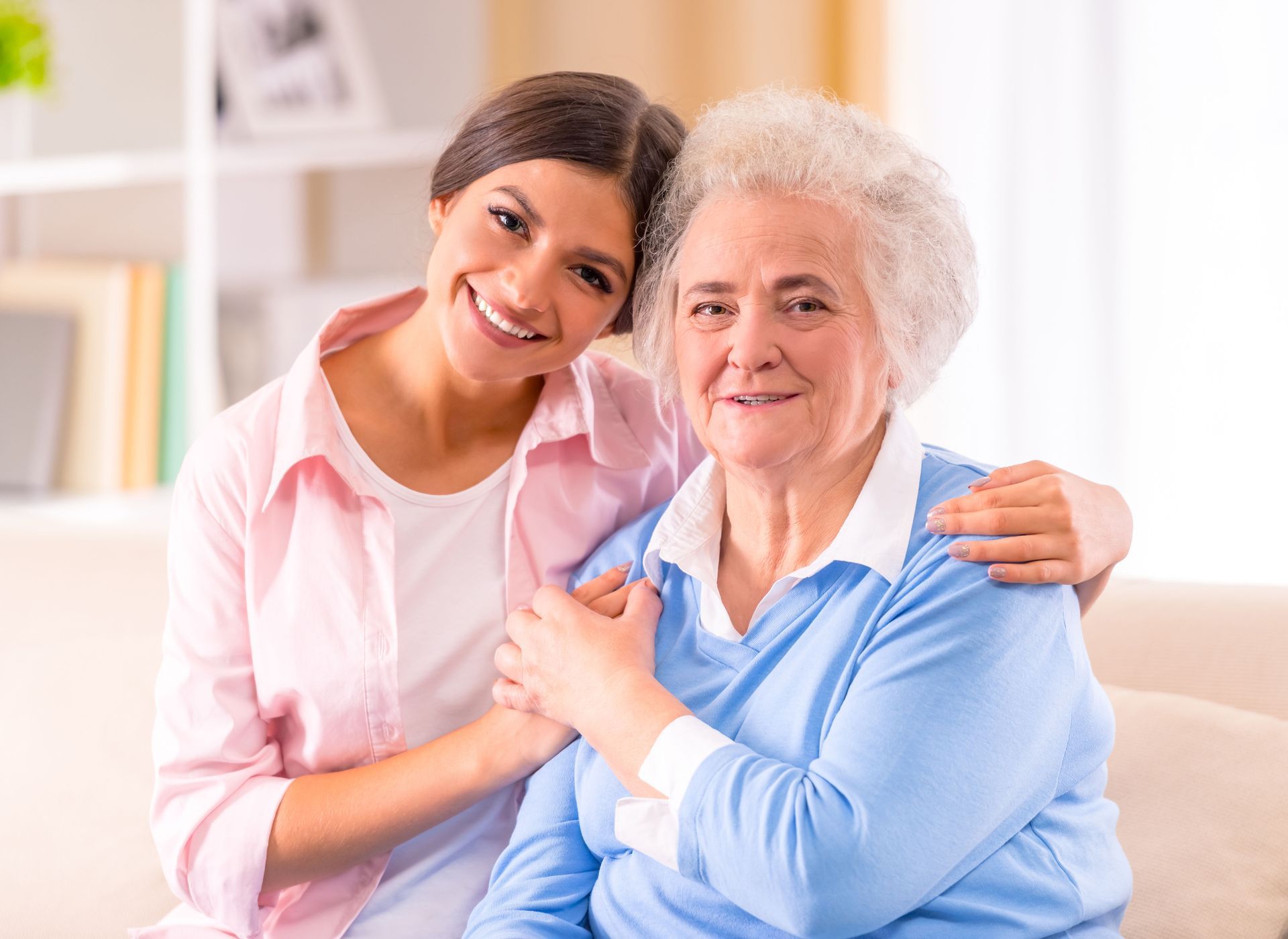
In addition to physical assistance, local caregivers often provide companionship, which is essential for emotional well-being. They develop close relationships with their clients, offering a sense of security and connection that extends beyond mere task completion. This emotional bond is beneficial not only for clients but also for caregivers, as they find fulfillment in making a positive impact on others’ lives. Together, these aspects showcase the multifaceted role of caregivers in daily living assistance.
Offering emotional support
Emotional support is a critical aspect of caregiving that local caregivers excel in providing. They often act as confidants and companions, listening and engaging with their clients to alleviate feelings of isolation and loneliness. This supportive role is vital, particularly for the elderly or those with health challenges, who may otherwise struggle with mental health issues. The personal touch that local caregivers offer ensures that clients feel valued, respected, and understood.
Creating an emotional connection between caregivers and their clients fosters trust and reliability, which are essential in caregiving relationships. Caregivers often go beyond the call of duty, taking time to celebrate milestones and participate in meaningful activities with their clients. This engagement benefits the emotional health of both parties, providing caregivers with a sense of purpose and clients with a stronger support network. Local caregivers, with their shared cultural or community background, are particularly suited for forming these profound connections.
Moreover, emotional support provided by local caregivers can have physiological benefits, enhancing overall health and wellness. Stress reduction, improved mood, and greater resilience are some of the positive outcomes associated with emotional care. This comprehensive approach to caregiving underscores the importance of local caregivers in nurturing both the physical and emotional health of those they serve. By prioritizing emotional care, caregivers contribute significantly to the well-being and life satisfaction of their clients.
How do local caregivers impact community health?
Enhancing quality of life
By offering comprehensive and personalized care, local caregivers significantly enhance the quality of life for their clients. Their attentive approach ensures that individuals receive the specific support they need, fostering independence and dignity. This personalized care often includes adapting support strategies to meet the unique cultural and personal preferences of their clients. As a result, individuals can thrive in their daily lives, enjoying the freedoms brought about by competent assistance.
The impact of local caregivers extends beyond the individuals they directly support, enhancing the well-being of families and communities as a whole. By relieving family members of caregiving duties, they allow for more balanced family dynamics and improved mental health for all involved. This support network contributes to a healthier community, where individuals can rely on one another and thrive collectively. As caregivers provide essential services, they become integral to strengthening the social fabric of communities.
Reducing hospital readmissions
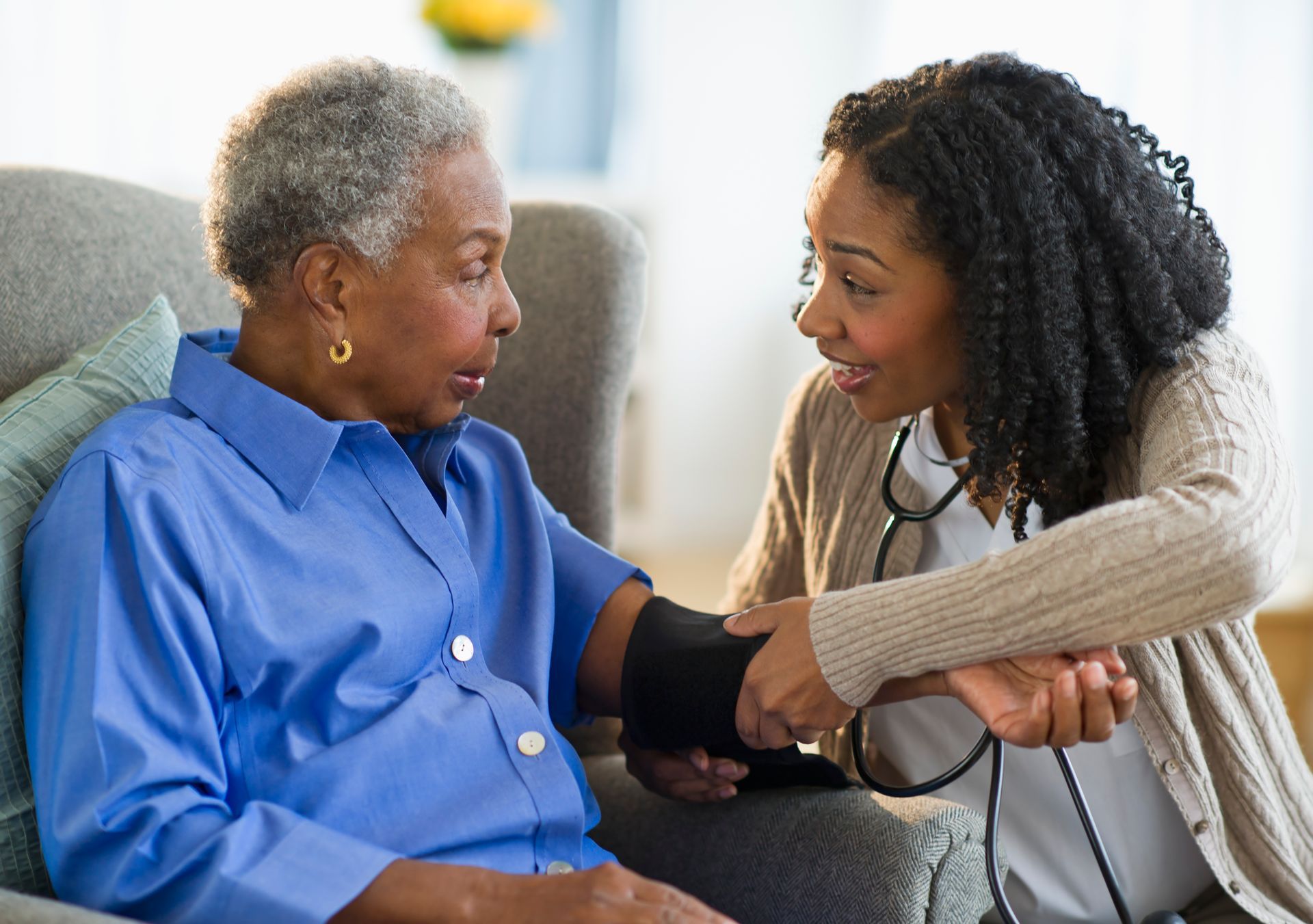
One significant way that local caregivers positively impact community health is by reducing hospital readmissions. Through vigilant monitoring and proactive care, they help manage chronic conditions and prevent complications that may lead to hospital stays. This level of attention ensures that clients remain stable and receive the appropriate care at home, reducing the likelihood of emergency visits. As a result, health systems experience less strain, allowing resources to be allocated more effectively to critical cases.
Local caregivers serve as an essential link between clients and healthcare providers, facilitating communication and adherence to medical advice. This synergy helps ensure that healthcare plans are followed accurately, enhancing health outcomes and preventing unnecessary hospital exposure. By receiving consistent care and guidance, clients are more likely to manage their conditions successfully. Consequently, the efforts of local caregivers contribute to a more efficient healthcare system, benefiting communities at large.
Why choose local caregivers over external services?
Understanding local culture and traditions
Local caregivers offer a significant advantage over external services due to their deep understanding of local culture and traditions. This familiarity enables them to tailor their approach in ways that respect and accommodate the unique customs and practices of their clients. Such cultural sensitivity fosters trust and rapport, creating stronger and more effective caregiving relationships. Clients are more likely to feel comfortable and secure when cared for by individuals who share or appreciate their cultural background.
This cultural competence is particularly important in multifaceted communities, where diversity can present various challenges and needs. Local caregivers can bridge cultural gaps and effectively communicate with clients and their families, facilitating smoother interactions and care processes. Their knowledge and appreciation of cultural nuances contribute to more personalized care, ensuring clients feel understood and valued. As a result, the caregiving experience becomes more enriching and positive for both clients and caregivers.
Quick accessibility in emergencies
One of the significant benefits of choosing local caregivers over external services is their quick accessibility in times of emergencies. Being nearby, local caregivers can respond to urgent situations more rapidly than those based farther away. This immediacy is crucial in emergencies, where time is of the essence, and quick actions can significantly affect outcomes. Having a caregiver who can arrive swiftly provides peace of mind to clients and their families, knowing help is readily available.
Local caregivers are familiar with the community’s infrastructure and resources, which can expedite emergency responses. They often have established relationships with local medical facilities and emergency services, ensuring a seamless coordination during crises. This community integration makes local caregivers invaluable, as they can navigate and leverage these relationships effectively for their clients' benefit. Their presence and rapid response in emergencies underscore their vital role in maintaining client safety and health.
Local caregivers are indispensable to the fabric of our communities, offering critical support and care. By understanding the roles, challenges, and profound impacts they have, we are better positioned to support these vital professionals and enhance the overall health of our communities. With a workforce comprising 5.4 million direct care workers, caregivers remain the foundation of community health and well-being. As society continues to evolve, recognizing and valuing the contributions of local caregivers is paramount.
The roles of local caregivers go beyond mere assistance; they encompass emotional support, medical care, and the nurturing of comprehensive relationships. Their unique understanding of local culture, quick response times, and personal connections uniquely qualify them to offer unparalleled care. This enduring commitment and dedication are critical in fostering vibrant, healthy communities where people are empowered and supported. As we move forward, the significance of local caregivers will continue to be an integral cornerstone of community resilience and vitality.
Ultimately, the presence of local caregivers enhances life quality, reduces healthcare system pressures, and ensures that individuals have access to compassionate, timely, and culturally competent care. Their impact is far-reaching, touching the lives of individuals, families, and entire communities. Supporting local caregivers by acknowledging their work and ensuring access to resources and opportunities will benefit us all. As champions of care, they exemplify the very essence of community spirit and care for all. Reach out to Spectrum Home Care today to see how we can help you!